


A monochrome vintage look can transform your space into an effortlessly chic and timeless haven. By focusing on a single color palette, this design style allows you to emphasize the rich textures, details, and history of vintage pieces without overwhelming the eye. Whether you’re drawn to soft neutrals, deep hues, or muted pastels, the monochrome approach to vintage décor helps create a cohesive, stylish, and understated space. Here’s how to achieve the perfect monochrome vintage look, blending nostalgia with a modern twist.

1. Choose Your Color Palette Wisely
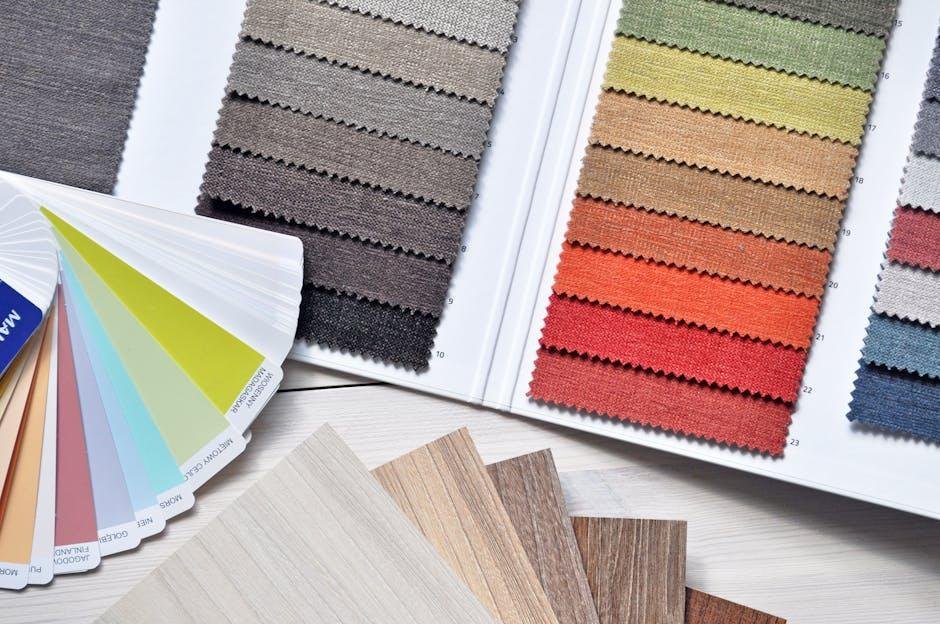
The foundation of a monochrome vintage look is, of course, the color. Selecting the right color palette is crucial in setting the tone for the entire space. While you may think of monochrome as simply sticking to one color, the vintage aesthetic thrives on subtle variations and tones within the chosen color.
-
Neutral Tones: Shades like soft white, cream, beige, and gray create a calm, inviting atmosphere. Neutral monochrome palettes allow the vintage furniture and accessories to stand out, with a more refined, understated look. A cream or beige base is often paired with weathered wood accents or vintage brass hardware, adding warmth to the space.
-
Muted Pastels: Soft, muted pastel tones—like pale blush, mint green, or lavender—lend a soft, feminine touch to a vintage room. These hues evoke a sense of nostalgia while maintaining a modern appeal when paired with vintage furnishings and decor.
-
Rich, Deep Tones: If you prefer a more dramatic, moody atmosphere, deep blues, emerald greens, or rich burgundies can create an elegant vintage look. These colors often work well in larger spaces like living rooms or studies, where the rich tones can be balanced with lighter elements like natural wood or gilded details.
When choosing your color, remember that the goal is to select shades that allow for variation without straying too far from the core color. This ensures the space remains harmonious and timeless.
2. Focus on Vintage Furniture with Character
Once your color palette is selected, it’s time to incorporate vintage furniture into the space. Vintage furniture pieces often have unique characteristics that lend themselves perfectly to a monochrome look. The key is to allow the furniture to stand out through its shape, texture, and finish, rather than relying on bold colors.
-
Wood Furniture: Opt for antique wooden furniture that is either naturally aged or refinished in your chosen monochrome color. Darker woods, such as mahogany or walnut, pair beautifully with neutral or deep-toned monochrome schemes, while lighter woods like oak or pine can add warmth to pastel or light color palettes.
-
Upholstery: Choose vintage sofas or armchairs with classic lines, and reupholster them in fabric that matches your monochrome theme. Velvet, linen, or cotton are perfect choices depending on the mood you wish to create. A gray velvet sofa can bring a sophisticated edge, while a mint green linen armchair can keep the space feeling airy and fresh.
-
Antique Accents: Incorporate vintage mirrors, side tables, lamps, or bookcases that match the color of your room. Gilded frames or brass hardware can offer a touch of glamour, especially in monochrome rooms where gold details can add depth and interest.
3. Layer Textures to Add Depth
In monochrome décor, texture is essential for adding depth and richness to the room. Without the visual contrast of different colors, you need to rely on textures to provide interest and complexity.
-
Textiles: Layer various fabric types like linen, velvet, tweed, and wool for soft furnishings such as throw pillows, blankets, and curtains. Mixing textures in your monochrome space can create contrast and a tactile experience.
-
Rugs: A vintage-inspired rug in a muted monochrome pattern, such as geometric, floral, or oriental, can provide both comfort and design appeal. Look for rugs with muted or faded colorways, as these often pair well with the overall vintage aesthetic.
-
Curtains: Soft, flowing linen or silk curtains in your chosen monochrome tone can add an ethereal touch, especially in pastel or neutral spaces. Opt for a long, elegant drape to create a sense of grandeur while keeping the room grounded in simplicity.

4. Incorporate Vintage Art and Accessories
Vintage art and accessories are vital in creating the perfect monochrome vintage look. The key is to focus on items that either match or complement your chosen color palette, ensuring the space feels cohesive and not too cluttered.
-
Artwork: Vintage-style framed prints or paintings can elevate the monochrome feel, particularly when they are in black and white or soft sepia tones. Classic etchings, botanical prints, or vintage portraits can bring historical charm into your modern home. The muted nature of these artworks ensures they don’t overpower the room but instead add sophistication and character.
-
Mirrors: Vintage mirrors, particularly those with intricate or antique frames, work beautifully in a monochrome setting. A gold-framed baroque mirror adds a touch of luxury to neutral or deep-toned rooms, while wooden-framed mirrors can enhance a rustic, vintage appeal.
-
Lighting: Opt for vintage-style chandeliers, table lamps, or wall sconces in brass or iron to add texture and historical richness. The lighting fixtures can be a focal point in a monochrome room, especially if they contrast with the soft tones of the furniture.
-
Other Accessories: Vintage clocks, vases, ceramic sculptures, or antique books can bring in personalized, meaningful touches. Keep the accessories in line with your monochrome palette, sticking to shades of the main color to avoid visual clutter.
5. Pay Attention to Details
In monochrome vintage design, small details can make all the difference. It’s the intricate touches that bring the space to life without breaking the serene flow of the color palette.
-
Handles and Hardware: Antique hardware on furniture pieces—such as brass handles, cast-iron knobs, or gilded feet—can add a vintage touch and make your furniture feel more authentic.
-
Wall Details: Consider wainscoting or shiplap in a monochrome shade to add texture to the walls. These architectural details often enhance the vintage look and provide a clean backdrop for your furniture and accessories.
-
Floors: Vintage-style wooden floors or patterned tiles can anchor the space and keep the monochrome feel grounded. A whitewashed wood floor pairs well with pastel hues, while dark-stained wood complements richer monochrome tones like navy or forest green.

6. Keep It Balanced and Avoid Overcrowding
When creating a monochrome vintage look, it’s important not to overcrowd the room with too many similar pieces. While the monochrome palette is cohesive, you should aim to create a balanced layout with plenty of open space. This allows the vintage pieces to shine while maintaining a calm, inviting atmosphere.
Ensure each area of the room has a focal point—whether it’s the vintage sofa, the artwork on the wall, or the antique mirror—and let the room breathe. The simplicity of a monochrome color scheme allows the furniture and décor to shine, so less truly can be more in this case.
Conclusion
Creating a monochrome vintage look requires thoughtful color selection, the right mix of textures, and careful curation of vintage furniture and accessories. The beauty of this style lies in its timeless elegance and ability to seamlessly blend old-world charm with contemporary functionality. Whether you lean toward soft pastels, classic neutrals, or deep jewel tones, the monochrome vintage look can be tailored to suit your tastes and transform your space into a haven of nostalgia, beauty, and comfort.


